
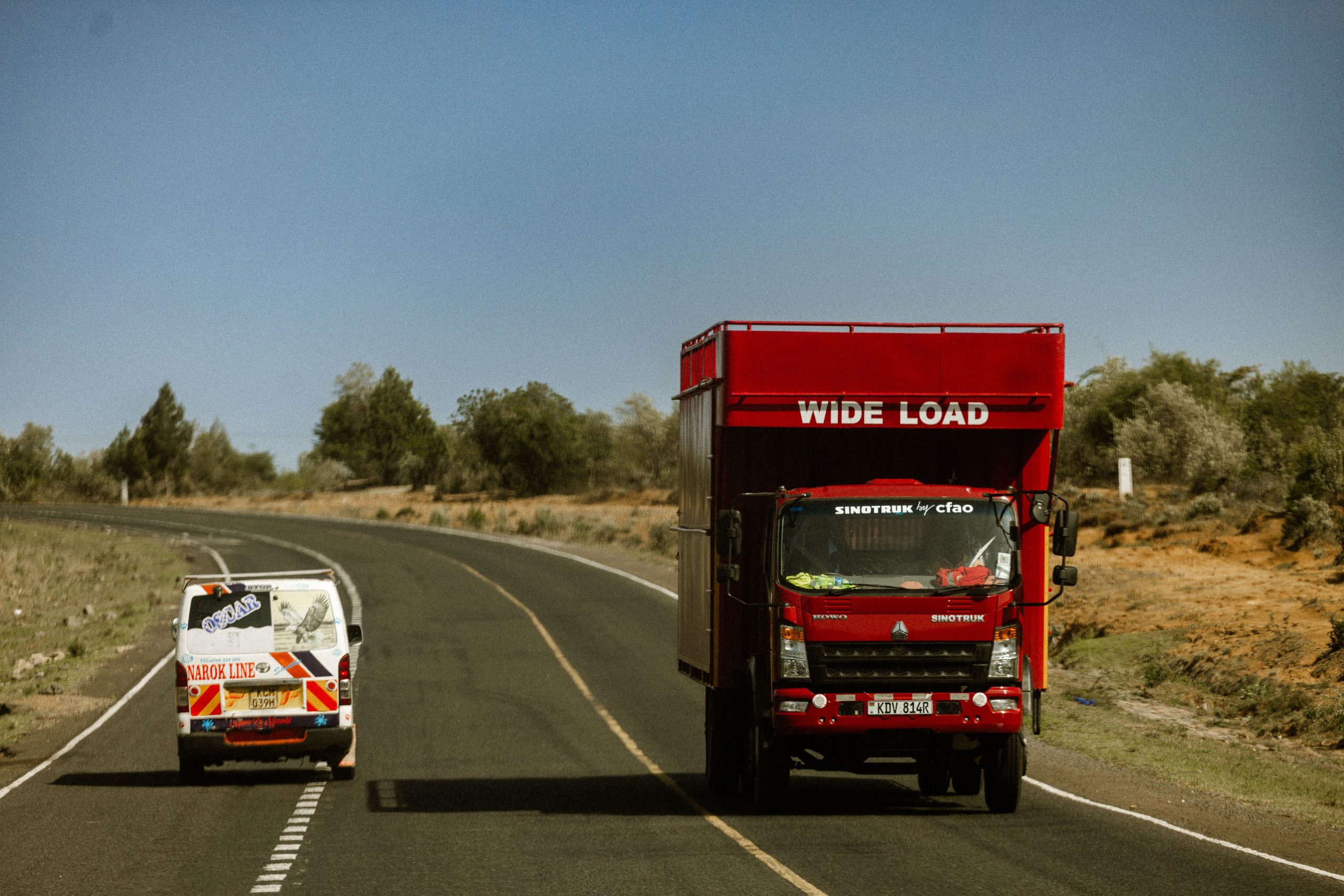
De Keniaanse Nationale Wegenautoriteit (KeNHA) heeft een grootschalige infrastructuurinterventie ingezet, waarbij een uitgebreide verkeersveiligheidsaudit wordt uitgevoerd op 2.500 km van de dodelijkste transportroutes van het land. Het initiatief van 2,5 miljard Keniaanse shilling (1.000.000 Amerikaanse dollar) en gesteund door internationale financiers, markeert een radicale verschuiving van het beheer na ongevallen naar voorspellende, datagestuurde verkeersveiligheidstechniek.
Gedreven door alarmerende binnenlandse dodelijke ongevallenstatistieken, waarbij jaarlijks routinematig meer dan 4.000 mensen om het leven komen, heeft de 30 maanden durende adviesopdracht tot doel de Keniaanse snelwegen te verbeteren tot een veiligheidsclassificatie van minimaal 3 sterren. Voor een land dat fungeert als de belangrijkste logistieke ader van de Oost-Afrikaanse regio, is het stabiliseren van het asfaltnetwerk niet langer een kwestie van louter onderhoud, maar een cruciale economische noodzaak.
De mechanismen van de audit
De kern van het project, officieel getiteld "Consultancy Services for iRAP Star Rating Assessment", is het inzetten van geavanceerde diagnostische instrumenten over een traject van 2.500 km. Ingenieurs zullen de International Road Assessment Programme (iRAP)-methodologie gebruiken, een wereldwijd erkend raamwerk dat de risico's op ongevallen in kaart brengt en de kans op dodelijke slachtoffers en ernstig letsel (Fatal and Serious Injury, FSI) inschat voordat ongevallen plaatsvinden.
Uit de aanbestedingsdocumenten blijkt dat belangstellingsverklaringen uiterlijk 30 juni 2026 moeten worden ingediend. Het geselecteerde consortium krijgt de opdracht een kosteneffectief investeringsplan voor veiligere wegen (Safer Road Investment Plan, SRIP) op te stellen. Dit plan zal bepalen waar cruciale ingrepen – zoals gescheiden voetpaden, versterkte vangrails en heringerichte gevaarlijke punten – moeten worden uitgevoerd om de felbegeerde 3-sterrennorm te behalen.
De cijfers achter de crisis
Het Keniaanse snelwegennet is een paradox van moderne techniek en dodelijke ontwerpfouten. Hogesnelheidswegen met meerdere rijstroken kruisen regelmatig dichtbevolkte, ongereguleerde voetgangersgebieden, waardoor er conflictzones ontstaan.
- Doelafstand: 2.500 km aan risicovolle corridors.
- Projectduur: 30 maanden vanaf de ondertekening van het contract.
- Veiligheidsdoelstelling: Minimaal een 3-sterren iRAP-classificatie.
- Financieringsmechanisme: Afrikaanse Ontwikkelingsbank (AfDB) in het kader van het multinationale project Hoorn van Afrika.
- Jaarlijkse sterfgevallen: Meer dan 4.000 sterfgevallen geregistreerd door de NTSA op nationaal niveau.
Institutionele transformatie via KenRAP
Naast directe technische beoordelingen streeft het project ernaar de manier waarop Kenia zijn wegen beheert, permanent te veranderen. Een belangrijk onderdeel van het adviesproject is de institutionele ondersteuning voor de ontwikkeling van het Kenya Road Assessment Program (KenRAP). KenRAP is opgezet als een initiatief met meerdere belanghebbenden en zal continue risicobeoordelingsprotocollen verankeren in de operationele taken van KeNHA.
Het mandaat omvat intensieve capaciteitsopbouw voor de onlangs versterkte KeNHA-eenheid voor verkeersveiligheid. Door lokaal personeel te trainen in het in kaart brengen van ongevalsrisico's en de implementatie van SRIP (Strategic Road Improvement Plan), wil de overheid haar afhankelijkheid van buitenlandse consultants voor toekomstige evaluaties van snelwegen verminderen.
Het wereldwijde logistieke perspectief
De betreffende snelwegen zijn geen geïsoleerde stukken asfalt; het zijn vitale routes voor de internationale handel. De audit is onlosmakelijk verbonden met het multinationale project Horn of Africa Isiolo-Mandera Corridor. Het waarborgen van een veilige doorgang over deze routes is van het grootste belang voor het transport van goederen vanuit de haven van Mombasa naar landen zonder kustlijn zoals Oeganda, Rwanda en de instabiele markten van Zuid-Soedan en Ethiopië.
Economen benadrukken dat verkeersongevallen naar schatting 3 tot 5 procent van het bruto binnenlands product van Kenia jaarlijks tenietdoen door productiviteitsverlies, medische kosten en materiële schade. Door fors te investeren in preventieve infrastructuur, draagt KeNHA effectief bij aan het beperken van ernstige economische schade.
Een paradigmaverschuiving in de infrastructuur
Decennialang werd het infrastructuurbeleid van Kenia gekenmerkt door snelle uitbreiding en de aanleg van nieuw asfalt, vaak ten koste van de veiligheid van niet-gemotoriseerd verkeer. De nieuwe iRAP-richtlijn dwingt aannemers en ontwerpers om mensenlevens voorrang te geven boven de pure doorvoer van voertuigen.
Nu KeNHA zich voorbereidt op de beoordeling van de binnengekomen biedingen, staat er enorm veel op het spel. De succesvolle uitvoering van deze audit van 2.500 kilometer zou het Keniaanse snelwegennet eindelijk kunnen bevrijden van zijn dodelijke verleden en een nieuwe gouden standaard voor verkeersveiligheid op het Afrikaanse continent kunnen vestigen.
– einde –
iRAP-notitie
Dit project wordt ondersteund door de Afrikaanse Ontwikkelingsbank. Voor meer informatie over de oproep tot het indienen van een intentieverklaring (adviesdiensten), Klik hier.
Bronvermelding: Artikel Streamlinefeed; Afbeelding Pexels Amos Getanda